Table of Contents
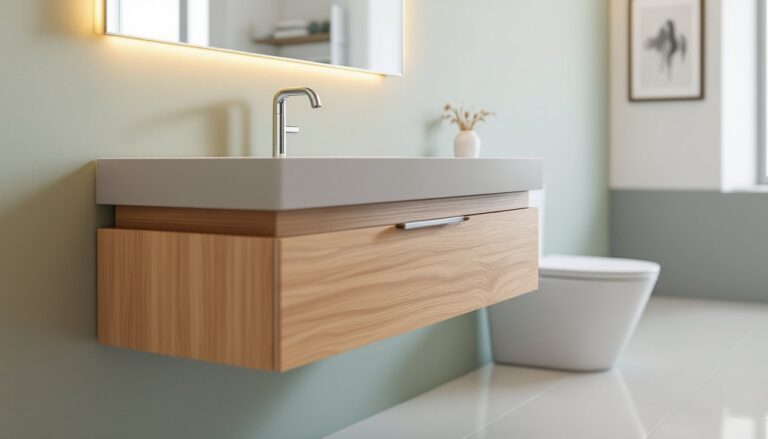
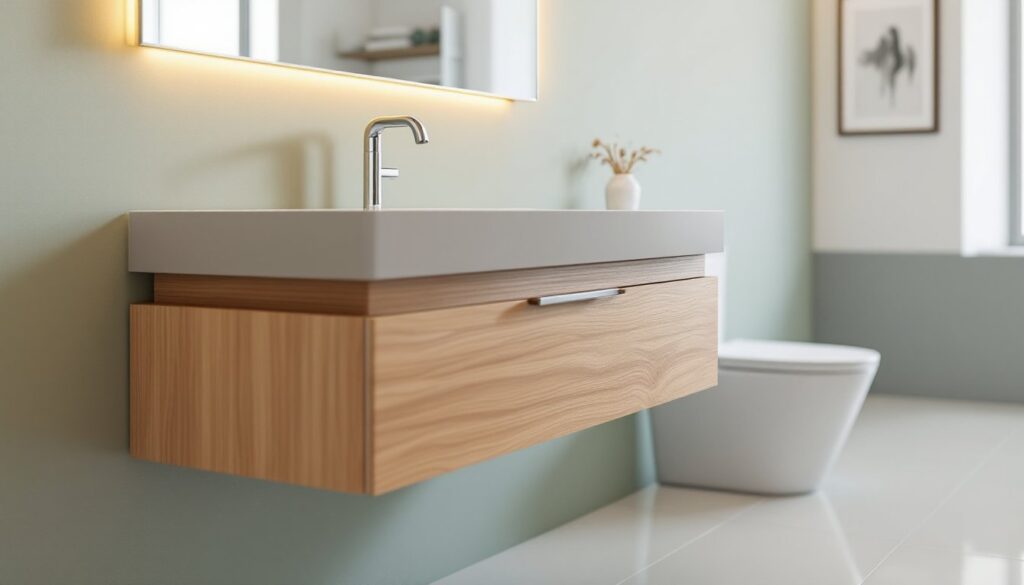
ToggleA floating bathroom vanity, also called a wall-mounted vanity, transforms a cramped bathroom into a sleek, functional space while opening up floor area for movement and cleaning. Unlike traditional pedestal or cabinet-base vanities, floating vanities hang directly from the wall, creating the visual illusion of more space and giving any bathroom an instant modern upgrade. Whether you’re renovating a small powder room or refreshing your master bath, a hanging bathroom vanity offers practical benefits beyond aesthetics. This guide walks you through what makes floating vanities worth the investment, how to choose the right style, and what you need to know before installation.
Key Takeaways
- A bathroom floating vanity mounts directly to wall studs, creating an illusion of more space while making cleaning easier and eliminating moisture accumulation typical of base cabinets.
- Floating vanities work in bathrooms of any size but excel in small spaces, where a 36-48 inch wall-mounted unit paired with good lighting can make even cramped rooms feel open and inviting.
- Proper installation requires locating wall studs and securing a sturdy blocking board (at least 2×8 lumber) with ½-inch lag bolts—mounting to drywall alone is the most common and dangerous mistake.
- Costs range from $400-$800 for basic pre-made units to $2,000-$5,000+ for custom vanities with solid wood and natural stone, plus $200-$500+ for professional plumbing work if supply or drain lines need repositioning.
- Regular maintenance—checking fasteners every 6-12 months, sealing natural stone counters annually, and wiping spills immediately—keeps a bathroom floating vanity functioning beautifully for decades.
What Is a Floating Vanity and Why It’s Worth the Investment
A floating vanity is a cabinet or countertop assembly mounted directly to wall studs, suspended several inches above the floor. The vanity contains sink, faucet, and storage for toiletries and supplies, everything a traditional vanity holds, just positioned off the ground.
The appeal is both practical and visual. Without a base, the bathroom feels airier and larger, which matters tremendously in tight spaces. You gain easier access to the floor for cleaning, and you eliminate the crevice where dust and moisture typically accumulate behind a conventional cabinet base. The open floor underneath also allows flexible placement of a small stool, trash bin, or accent rug without crowding.
Floating vanities work well in bathrooms of any size, though they shine in smaller rooms where every inch counts. A 36-inch or 48-inch wall-mounted vanity paired with good lighting and light wall colors can make even a 5-by-8-foot bathroom feel open and inviting.
Key Benefits for Small Bathrooms
Small bathrooms benefit the most from floating vanity installations. The open floor space beneath a wall-mounted unit makes the room feel substantially larger than it is, a psychological effect that’s surprisingly powerful when you’re working with limited square footage.
Cleaning becomes genuinely easier without a base cabinet to work around. Mop the floor in seconds without wrestling furniture or getting on your hands and knees. Moisture and spills dry faster because air circulates underneath, which also reduces the risk of mold and water damage in the wall.
Storage isn’t sacrificed: modern floating vanities come with deep drawers and shelving that rival traditional cabinets. Some even offer under-vanity shelving or closed compartments, maximizing the wall real estate above the finished floor.
Design Styles and Materials That Match Your Decor
Floating vanities span virtually every aesthetic, from minimalist Scandinavian to rich mid-century modern to rustic farmhouse. Material choices anchor the look: solid wood (oak, walnut, or maple) conveys warmth and traditional charm, while engineered plywood with veneer keeps costs down and resists moisture better in humid bathrooms. High-gloss lacquered finishes read ultra-modern and contemporary, whereas matte painted options feel clean and understated.
Countertop material is equally important. Quartz and solid-surface materials offer durability and water resistance, crucial for bathroom applications. Natural stone like marble or granite looks luxe but requires sealing and careful maintenance. Ceramic tile over plywood substrate is budget-friendly and comes in endless colors and patterns. Concrete appeals to industrial-minded homeowners, though it must be sealed.
Faucet styles vary too: wall-mounted fixtures (mounted on the wall above the vanity) offer a sleek, minimalist look, while deck-mounted faucets (on the countertop) are traditional and easier to retrofit. Vessel sinks sit atop the counter like a bowl and work beautifully with modern designs, while integrated or undermounted sinks blend seamlessly and are easier to clean.
Browse curated collections at places like Remodelista for bathroom vanity styles to gather inspiration and see how professionals pair materials, colors, and finishes. Design inspiration sites like Homify showcase real bathrooms using floating vanities across multiple aesthetics, giving you realistic ideas for your own space.
Installation Basics: What You Need to Know Before Starting
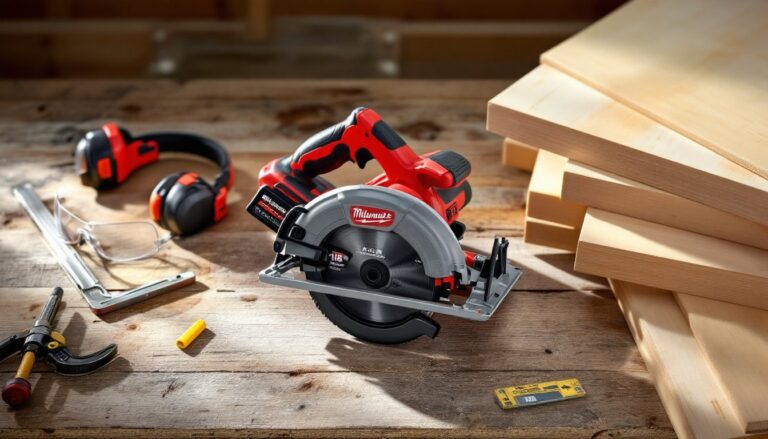
Installing a floating vanity requires locating wall studs (typically 16 inches or 24 inches apart) and securing a blocking board, a horizontal piece of solid wood mounted directly to the studs, that carries the vanity’s weight. Standard vanity depth is 20-22 inches: the blocking board must be sturdy (at least 2×8 or doubled 2×4 lumber) and properly attached with lag bolts or heavy-duty screws into studs.
Measure and mark stud locations with a stud finder. Vanities typically mount 30-36 inches above the floor for comfortable use. Account for plumbing rough-in: supply lines and drain must reach the vanity location, often requiring new holes through walls or running pipes inside walls, work that may need a licensed plumber depending on your local codes.
Fasteners matter: use ½-inch lag bolts or ½-inch wood screws rated for the vanity’s weight into the blocking board. Most residential floating vanities weigh 100-200 pounds, and a properly installed 2×8 blocking board can easily support twice that with correct fasteners.
Confirm drywall is securely attached to studs before mounting anything. Loose drywall won’t hold fasteners reliably and risks failure.
Common Mistakes to Avoid
The biggest error is mounting to drywall alone without blocking, drywall anchors alone cannot safely support a vanity. Always lag-bolt through drywall into solid wood blocking attached to studs.
Skipping the plumbing rough-in planning causes headaches during installation. Know exactly where your water supply and drain must run before the vanity arrives. Moving pipes after mounting is messy and expensive.
Underestimating weight is another trap. If you’re installing a heavy concrete or stone countertop vanity, verify your blocking and fasteners can handle it. Use Homedit’s design resource to research materials and realistic weight specs before purchasing.
Ignoring wall moisture creates mold risk. Ensure your bathroom has adequate ventilation (exhaust fan running during showers and 20 minutes after). Consider a moisture-resistant backer board behind the vanity if your bathroom runs damp.
Finally, don’t rush measurements. A vanity mounted crooked or at the wrong height frustrates you daily. Measure twice, level multiple times, and have a helper during installation.
Cost Considerations and Budget Planning
Floating vanity costs vary widely based on materials and complexity. A basic pre-made unit (24-30 inches) with laminate or veneer countertop and single-sink configuration runs $400-$800. Mid-range options with quality plywood cabinet, quartz or solid-surface countertop, and better hardware sit around $800-$1,500. Custom vanities with solid wood, natural stone countertops, or integrated lighting jump to $2,000-$5,000 or beyond.
Plumbing and installation add costs. If you’re a confident DIYer with basic carpentry skills and the rough-in plumbing is already in place, you might handle it yourself, saving $300-$800 in labor. But, if supply or drain lines need repositioning, hire a plumber ($200-$500+). Wall blocking installation and fastening a heavy vanity safely demand precision: budget $200-$400 for professional help if you’re uncertain.
Material grade matters: engineered plywood is budget-friendly and moisture-resistant, while solid hardwood costs more but looks warmer. Quartz countertops offer durability and water resistance for $50-$150 per linear foot installed: ceramic tile counters cost $30-$80 per foot but require sealing and maintenance.
Don’t skimp on fasteners or blocking, that’s where bathroom vanity failures originate. Invest in quality lag bolts, heavy-duty hinges, and proper framing. The vanity itself lasts longer than fashion: cheap fasteners fail in 5-10 years.
Maintenance and Long-Term Care Tips
Floating vanities require less maintenance than traditional cabinets but still need attention. Wipe down countertops daily with a damp cloth and dry immediately, moisture sitting on stone or laminate leads to staining and finish breakdown. Use appropriate cleaners: pH-neutral soaps for natural stone, mild soap and water for lacquered finishes, and avoid abrasive scrubbers that scratch surfaces.
Check fasteners and mounting bolts every 6-12 months, especially in humid bathrooms where wood swells and contracts seasonally. A quarter-turn of a lag bolt every year prevents loosening. Listen for creaks when using the vanity: creaking signals fasteners have loosened and need tightening.
Seal natural stone countertops annually (granite, marble) and re-apply as needed per manufacturer specs. Concrete counters need resealing every 1-2 years. Quartz is largely maintenance-free except for regular cleaning.
Keep the area under the vanity clear and dry. Wipe spills immediately to prevent water damage to the wall. If you notice soft spots in the drywall or studs, address them promptly, moisture damage spreads fast and becomes expensive.
Understanding your vanity’s weight capacity prevents disaster. Most residential units safely hold 200-300 pounds distributed evenly. Avoid hanging heavy decorative items above the vanity from wall-mounted shelves: reinforce those with separate studs and blocking.
A floating bathroom vanity, when properly installed and maintained, becomes a reliable, beautiful fixture that actually improves over time. The initial investment in solid materials and careful installation pays dividends in longevity, functionality, and the daily pleasure of a well-designed space.