Table of Contents
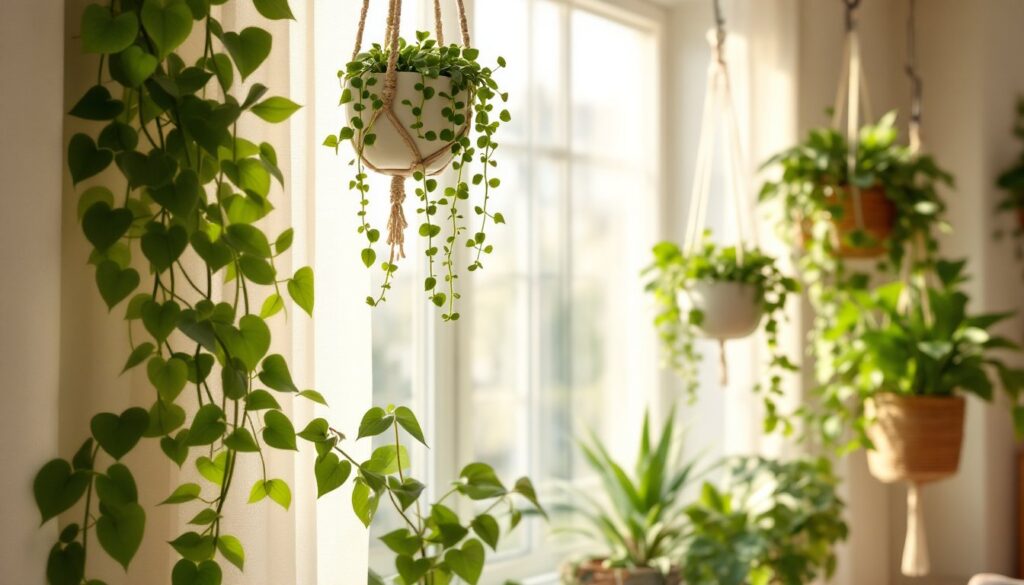
ToggleHanging plants are one of the quickest, most forgiving ways to add life and visual interest to any room, without requiring floor or shelf space. Whether you’re working with a sunny kitchen window, a dark hallway, or a steamy bathroom, there’s a best hanging plant for every condition. Beyond aesthetics, many indoor hanging plants actively improve air quality by filtering toxins, making them as practical as they are beautiful. This guide walks you through selecting, mounting, and caring for the best hanging plants so you can confidently green up your home.
Key Takeaways
- The best indoor hanging plants solve space constraints while improving air quality by filtering toxins like formaldehyde and benzene from your home.
- Low-maintenance hanging plants like pothos and philodendron tolerate irregular watering and low light, making them ideal for busy homeowners or first-time plant parents.
- Trailing succulents such as string of pearls are drought-tolerant and forgive months of neglect, but require bright indirect light and well-draining soil to prevent root rot.
- Matching light conditions to your plant species is critical—pothos thrives in low-light areas while succulents need 3–4 hours of bright daylight daily near south or west-facing windows.
- Bathrooms provide ideal environments for hanging plants like pothos and spider plants due to natural humidity, reducing the need for frequent misting and supplemental watering.
- Install hanging plants with heavy-duty ceiling hooks rated for at least twice your basket’s weight to ensure long-term safety and stability.
Why Hanging Plants Elevate Your Home Décor and Air Quality
Hanging plants solve a real problem for homeowners: they maximize usable space while adding personality to otherwise bare walls and ceilings. A trailing pothos or cascading string of pearls draws the eye upward, making rooms feel taller and more open. Beyond visual impact, research shows that common indoor hanging plants like spider plants and peace lilies actively remove airborne toxins such as formaldehyde and benzene, benefits you’ll get simply by growing them in your home.
From a practical DIY standpoint, hanging plants require minimal structural commitment. A simple hook screwed into a stud or a heavy-duty adhesive hook on tile or drywall takes minutes to install. You get botanical results without the mess of repotting soil across your flooring or building raised beds. The flexibility is real: move a hanging planter as your décor evolves or as you learn which spots offer the best light and humidity for each species.
Low-Maintenance Hanging Plants for Busy Homeowners
Pothos and Philodendron: The Forgiving Classics
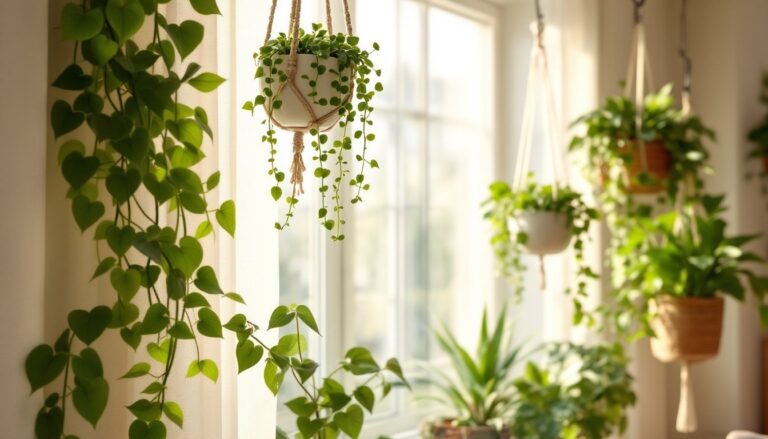
Pothos and philodendron are the workhorses of indoor hanging plants. Both tolerate irregular watering, low light, and temperature swings that would stress more finicky species. Pothos (sometimes labeled Epipremnum aureum) produces long, trailing vines with heart-shaped leaves that cascade beautifully from hanging baskets. Philodendrons, particularly varieties like heartleaf philodendron, offer similar trailing growth but often with slightly larger, more dramatic foliage.
These plants will grow in nearly any light condition, from a dim corner to bright indirect sunlight, though they grow faster and fuller in moderate to bright light. Water when the top inch of soil feels dry to the touch: in winter, reduce frequency. Both are nearly impossible to kill, making them ideal for first-time plant parents or homeowners who travel frequently. Most garden centers carry both as 4-inch to 6-inch hanging baskets, and they’ll fill a hanging space within a season or two.
Trailing Succulents: Drought-Tolerant Beauty
If you tend to forget watering (or simply prefer a more hands-off approach), trailing succulents like string of pearls, string of hearts, and burro’s tail deliver striking visual interest while forgiving months of neglect. These plants store water in their leaves, so they actually prefer to dry out between waterings. Overwatering is the primary killer, so err on the side of dry soil.
Trailing succulents need bright, indirect light, ideally near a window that gets at least 3-4 hours of daylight. A south- or west-facing window is ideal. In low light, they’ll stretch and lose their compact, attractive shape. Most trailing succulents grow slowly, so they’ll stay tidy in a hanging basket for years without aggressive pruning. Use a well-draining soil mix (add perlite or coarse sand to regular potting soil at a 1:1 ratio) and a container with drainage holes to prevent root rot.
Creating the Perfect Environment for Hanging Plants
Success with hanging plants hinges on matching light, water, and humidity to the species you choose. Before buying, assess your hanging location: Is it north-facing (low, cool light), east or west-facing (moderate light with morning or afternoon intensity), or south-facing (bright, intense light)? Most trailing foliage plants prefer bright, indirect light, that means light that’s filtered through a sheer curtain or bounced off a wall rather than direct sun.
Watering frequency depends on pot size, soil type, season, and air circulation. In winter, growth slows and humidity drops, so most plants need less water. A simple test: stick your finger 1 inch into the soil. If it feels dry, water: if moist, wait. Many beginners underwater their first hanging plants out of fear, but most trailing plants are more forgiving of dry spells than waterlogged roots.
Humidity matters, especially for tropical vines like pothos and philodendrons. Bathrooms naturally provide moisture: if hanging plants elsewhere, mist foliage weekly or cluster pots together to create a microclimate. Avoid placing hanging baskets directly above heating vents or air conditioning units, which dry them out rapidly. Finally, use quality hanging hardware. Heavy-duty ceiling hooks rated for at least twice your basket’s weight, paired with strong anchors screwed into studs or heavy-duty drywall anchors, ensure plants stay secure and don’t crash down on your floor or furniture.
Hanging Plants That Thrive in Low-Light Conditions
Dark hallways, bathrooms without windows, and offices with only overhead fluorescent light don’t rule out hanging plants, they just require species selected for shade tolerance. Pothos remains the gold standard for low-light spaces: it actually prefers indirect or filtered light and will yellow if exposed to direct sun. Heartleaf philodendron performs similarly, growing steadily even in rooms you’d consider dim.
Spider plant, another classic, tolerates low light and produces trailing runners of baby plantlets that look stunning in hanging baskets. It’s one of the most air-purifying indoor plants available. Trailing peperomia offers variegated foliage in compact cascades and survives low light, though it will grow more slowly than in brighter spots. Glazed ceramic or macramé holders in these conditions showcase foliage without the upkeep demand of high-light beauties like succulents or string of pearls.
One practical note: even low-light tolerant plants benefit from 12-16 hours of ambient light daily. If your space gets almost no natural light, supplement with a basic grow light mounted above the hanging basket. A full-spectrum LED bulb on a simple timer delivers reliable results without the heat of older fluorescent fixtures. Position the light 12-18 inches above the plant canopy to avoid burning foliage while still providing enough spectrum to sustain growth.
Best Hanging Plants for Bathrooms and Humid Spaces
Bathrooms are nearly ideal environments for hanging plants because steam from showers and moisture from daily activities create naturally humid air that tropical plants crave. This humidity reduces the need for misting and keeps foliage lush. The challenge is light: many bathrooms have only high, small windows or overhead fluorescence. Pair low-light tolerance with humidity preference, and several species shine.
Pothos and heartleaf philodendron are bathroom staples for good reason, they love moisture and tolerate the variable, often-dim light. Hanging spider plant benefits from bathroom humidity and will trail beautifully while tolerating low to moderate light. Areca palm and parlor palm, if your bathroom has decent indirect light, create tropical atmosphere and actively purify air. Boston fern prefers consistent moisture and dislikes drying out, making it perfect for bathrooms where humidity is constant.
When selecting plants for humid spaces, use hanging baskets with drainage holes and place a saucer beneath or hang the basket over your shower rod, sink, or tub so excess water drains freely. Humidity reduces water loss through leaves, so these plants may need less frequent watering than their counterparts in dry living rooms. During exhaust fan runs, consider turning it off briefly to allow humidity to build: constant fan use can dry out even humidity-loving species. As featured in comprehensive guides on easy hanging plants, trailing varieties like pothos and ivy thrive in bathrooms when given adequate air circulation to prevent fungal issues.