Table of Contents
ToggleStaring at gray cubicle walls or a blank desk corner doesn’t have to be permanent. Artificial plants for office spaces solve a real problem: the desire for greenery without the guilt of a brown, dead plant sitting in the corner because the office doesn’t get natural light or you forget to water it. Whether you’re working in a basement office, a fluorescent-lit cubicle, or a sunny corner, fake office plants deliver the aesthetic of fresh greenery with zero maintenance demands. They’re durable, affordable, and won’t wilt if the office temperature fluctuates or you’re on vacation for two weeks. This guide covers how to pick the right artificial plants, where to position them for maximum impact, and how to keep them looking fresh and professional.
Key Takeaways
- Fake plants for office spaces eliminate the challenges of real plants by requiring no watering, fertilizer, or special lighting, making them ideal for fluorescent-lit cubicles, basements, and spaces where temperatures fluctuate.
- Artificial office plants maintain a professional, intentional appearance year-round without attracting pests or dropping leaves, making them perfect for client-facing areas and shared workspaces.
- Popular choices like pothos, trailing vines, succulents, and compact ferns work in any office layout and can fill empty corners, high shelves, and low-light areas without space constraints.
- Cluster artificial plants at varying heights on shelves or credenzas to create intentional plant moments that enhance visual interest without overwhelming your workspace.
- Regular dusting with a soft cloth or damp microfiber cloth is the main maintenance task—keep plants away from direct sunlight, heat vents, and high-traffic areas to preserve their appearance and longevity.
Why Fake Plants Are Perfect for Office Environments
Real plants are wonderful, but they’re often impractical in office settings. Office environments present unique challenges: inconsistent light (many offices rely on fluorescent lighting or no direct sunlight), temperature fluctuations from HVAC systems, and irregular watering schedules when someone travels or works from home part-time. A living plant in these conditions eventually becomes a brown stalk.
Artificial office plants eliminate these variables entirely. They maintain their appearance year-round, require no watering, fertilizer, or pruning, and won’t attract pests or cause allergies. They’re also cost-effective over time, a quality artificial plant costs less than replacing several dead real plants annually. Unlike real plants, they won’t drop leaves on your desk or desk mate’s shoulder, making them ideal for shared workspaces where cleanliness is a concern.
Professional settings also benefit from the consistency of fake plants. A thriving artificial plant looks intentional and polished, while a struggling real plant sends an unintended message. For client-facing areas, reception desks, or conference rooms, artificial plants ensure your workspace always looks professional without requiring a plant care routine.
Another key advantage: flexibility in placement. Artificial office plants work in low-light corners, near heat vents, or in spaces with no windows. This freedom lets you decorate based on design goals rather than plant survival, making it easier to create a cohesive office aesthetic that suits your space and brand.
Top Types of Artificial Plants for Professional Settings
Pothos and Trailing Vines
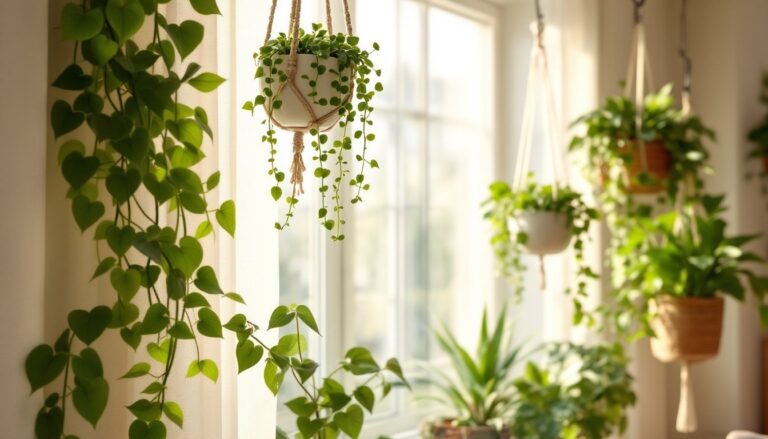
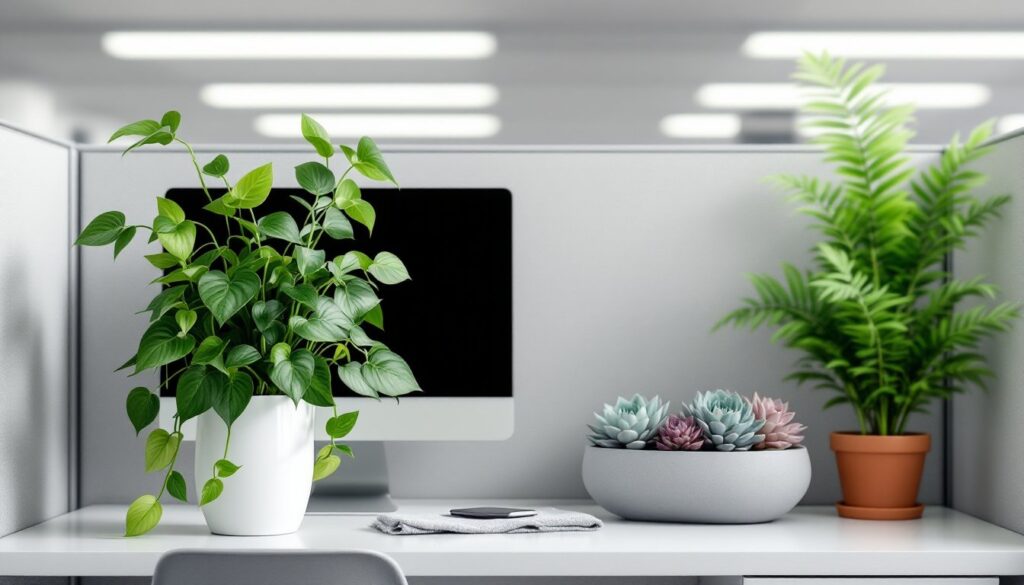
Pothos is one of the most popular artificial office plants because it adapts to almost any décor and looks good in both modern and traditional spaces. Real pothos is nearly indestructible: its artificial counterpart maintains that reliable, non-fussy reputation. Trailing varieties drape beautifully from shelves, hang from wall-mounted planters, or cascade down cubicle dividers. The soft, green heart-shaped leaves create visual interest without demanding attention, making them perfect for desks where you need focus rather than distraction.
Arteficial climbing vines and trailing plants (like ivy or philodendron varieties) work well on high shelves, wall-mounted planters, or above filing cabinets. The natural-looking drape softens hard office edges and fills vertical space that would otherwise feel empty. Because they’re lightweight compared to real vines in soil, installation is simple, just attach a shallow planter and let the stems cascade naturally. Real vine plants would require consistent moisture and pruning: fake versions stay lush without the work.
Succulents and Compact Plants
Artificial succulents are ideal for small desks, shelving, and accent spots. They’re compact, require virtually no visual maintenance (no watering ritual), and come in shapes and colors, from frosty greens to dusty purples, that add personality to neutral office spaces. Group several different varieties in a low bowl or spread them across a narrow shelf for texture and visual variety without cluttering your workspace.
Compact artificial plants like small ferns, bamboo, or snake plants fit neatly in corners, on credenzas, or beside monitors. Unlike real ferns (which demand humidity and consistent moisture), artificial fern varieties maintain their delicate frond structure indefinitely. Bamboo is especially popular in office décor because it suggests natural elegance and calm: artificial versions give you that psychological benefit without the sprawling root system or need for container space.
When selecting artificial plants, look for ones with varied leaf textures and realistic coloring. Poor-quality artificial plants have a plastic sheen and uniform color that looks cheap: better varieties use multiple shades of green within each leaf, mimicking natural variation. Examine the stems and leaves up close, realistic artificial plants have visible veining and subtle color gradation that prevents them from looking like they belong in a toy store.
How to Select and Position Fake Plants in Your Office
Start by assessing your office layout and lighting. Rooms with poor or no natural light are the perfect argument for artificial plants, they sidestep the entire light requirement issue. Note areas that feel bare, visually heavy, or in need of softness: corners, windowsills, high shelves, or spaces above filing cabinets. Artificial plants excel in filling these gaps because you’re not constrained by where light reaches.
Measure your spaces before shopping. A small desk with limited surface area works best with compact succulents or a petite trailing plant in a 3-to-4-inch planter. A conference table benefits from a low 6-to-8-inch centerpiece that doesn’t obstruct sight lines. Tall corners accommodate 24-to-36-inch floor plants in larger pots. Real estate in an office is valuable: artificial plants should enhance without taking up proportionally more space than real plants would.
Consider your office aesthetic when choosing plant types. Modern, minimalist spaces pair well with architectural plants like artificial plants for office settings with clean lines and muted greens. Traditional offices work with fuller, bushier forms, ferns or pothos with more generous foliage. If your office already has warm wood tones, lean toward plants with deep greens or bronze undertones. If it’s cool and neutral, brighter or blue-green varieties add visual interest.
Grouping is a pro move. Rather than scattering single plants across multiple surfaces, cluster two to three different varieties at varying heights on a shelf or credenza. This creates a small “plant moment” that feels intentional and adds visual weight to that area without overwhelming the space. Use pots in complementary colors or materials, white ceramic, sleek metal, or natural clay tones work in most office settings.
Placement strategy also affects perceived professionalism. High shelves draw the eye upward and make a room feel larger: hanging trailing plants above a desk or in a corner create a focal point without consuming floor space. Modern home decor ideas often feature plants at eye level on desks or credenzas, which works if the plant doesn’t block sight lines or crowd your actual workspace. Test positioning before committing, step back and see if the plant draws attention positively or distracts from the function of the room.
Maintenance Tips to Keep Your Artificial Plants Looking Fresh
The beauty of artificial office plants is that they don’t require watering, feeding, or special humidity. But, they do collect dust, and dust-covered plants look neglected and cheap, defeating the purpose of having them.
Dusting is your main maintenance task. Use a soft, dry cloth or a soft-bristled brush weekly or bi-weekly, depending on your office environment. Gently wipe each leaf from base to tip, supporting the stem with your other hand so you don’t bend or break anything. For delicate or densely leafed plants, a soft paintbrush works well. If you’re dusting in a carpeted office, lay down a piece of cardboard or newspaper under the plant to catch fallen dust particles.
For stubborn dust or a deeper clean, use a microfiber cloth lightly dampened with distilled water. Wring it out thoroughly, these plants shouldn’t be soaking wet. Dampen the cloth just enough to remove buildup without dripping water into the soil or pot. Air-dry fully before returning the plant to its spot. Avoid using commercial plant shine sprays: they leave residue and make artificial plants look artificially glossy.
Check the pot and planter regularly. Office environments are stable, so pots rarely need adjustment, but ensure the pot itself isn’t damaged, discolored, or loose. If a planter becomes stained or dated, replace it, it’s cheaper and faster than replacing the whole plant. Ceramic or terracotta pots that match your office décor are easy finds online or at garden centers.
Manage light exposure realistically. While artificial plants don’t need light to survive, direct sunlight can fade colored leaves and plastics over years. If your office has a bright south-facing window, rotate artificial plants occasionally or position them slightly to the side of direct rays. This prolongs color vibrancy without requiring care equivalent to a real plant.
Keep them away from heat sources. HVAC vents, radiators, or space heaters can degrade plastic and fabric-based leaves over time. Position artificial plants a few feet away from these sources. Similarly, avoid placing them where they’ll be bumped frequently, cubicle corners or high-traffic hallways expose them to accidental damage.
House Beautiful and similar design resources emphasize that décor, real or artificial, is an extension of your workspace and should feel intentional. A well-maintained artificial plant, clean leaves, positioned thoughtfully, and refreshed occasionally, signals that you care about your environment. A dusty, wilted-looking artificial plant (yes, some fade if old) sends the opposite message. A light annual inventory of your plants ensures they still look good: aged or faded plants should be refreshed or replaced.
Conclusion
Fake office plants solve real problems: no maintenance, consistent appearance, and flexibility in placement. Whether you choose trailing pothos, compact succulents, or full ferns, artificial plants adapt to low-light offices, temperature swings, and busy schedules that real plants can’t tolerate. Select varieties that match your office aesthetic, position them thoughtfully, and dust them regularly to maintain a professional appearance. With minimal effort, artificial plants deliver the psychological and visual benefits of greenery without the guilt or dead plant problem, a practical win for any workspace.